By Ahsan Ali
Mike Hosted, vice president of sales and marketing at ATBS, didn’t sugarcoat things when he opened the company’s mid-year trucking webinar this week. He said straight out that the market has been tough, with rising costs and no sign that trucking life has gotten easier for drivers.
But by the end of his hour-long presentation, Hosted showed numbers that told a different story: drivers who stick with their carrier, put in the miles, and make smart choices are actually earning more than they were a few years ago.
A market filled with rising costs
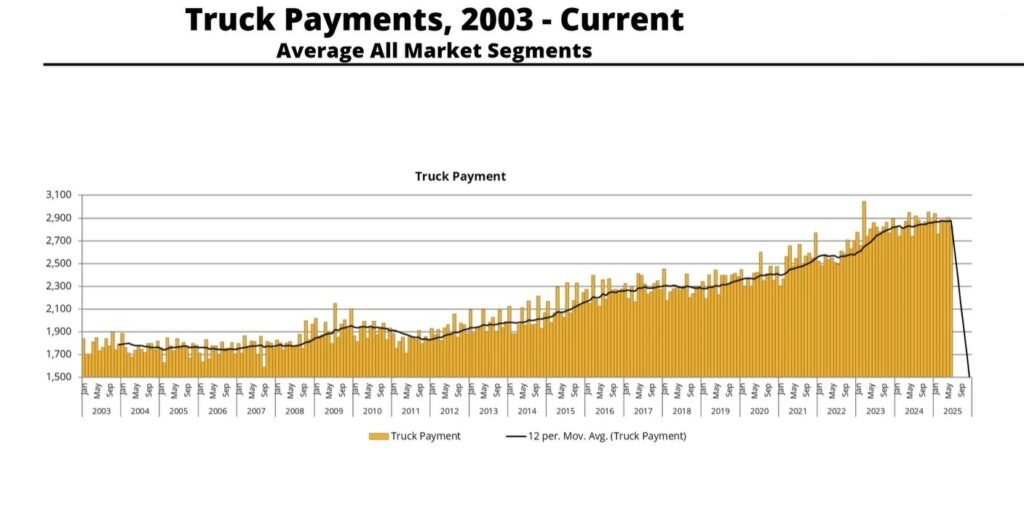
Hosted broke down the challenges first. Maintenance expenses are climbing, truck payments are heavy, and many drivers are struggling with costs that just won’t quit. He showed charts highlighting just how much these expenses have gone up.
Still, he argued that drivers who keep their trucks on the road, accept tougher routes, and spread out their costs over more miles can actually come out ahead.
“Nothing has gotten better with trucking,” Hosted admitted. “Things haven’t gotten any easier.” ATBS, which handles finances and taxes for thousands of independent owner-operators and company drivers, has the data to back it up.
Sticking with one carrier pays off
One of the clearest trends Hosted highlighted: loyalty pays. Drivers who stay with the same carrier for more than a year see steady income growth. In fact, ATBS data showed those who stick it out earn about one-third more on average than drivers who jump between jobs.
That increase, he explained, comes “by not turning over and not jumping around and doing the right things.”
Since the industry’s income levels hit bottom in late 2023, drivers who stayed put have seen net income rise every time ATBS measured it.
Incomes rebounding—but not for everyone
The numbers tell an uneven story. The top third of ATBS clients saw their annual net income reach nearly $165,000 in mid-2022 before dropping to $150,000 later that year. By mid-2025, it had rebounded to just over $161,000.
The bottom third of drivers didn’t see the same recovery. Their annualized net income dropped from about $61,000 in mid-2022 to $57,000 by year’s end—and hasn’t budged much since.
The biggest winners? The top 10% of ATBS clients. Their annualized net income rose from about $206,000 in mid-2023 to more than $224,000 by mid-2025.
Fuel prices help balance out rising costs
Fuel prices have actually provided some relief. The average cost of diesel dropped from $3.91 a gallon in early 2024 to $3.59 in early 2025. That helped push total trucking variable costs down by 5.6% over the past year, even as fixed costs rose slightly.
But maintenance is a different story. Dry van operators are now paying about $12,500 a year for maintenance, up more than $1,700. Refrigerated trucks (reefers) jumped even higher, rising nearly $2,800. Flatbeds rose too, though less dramatically.
“Parts cost more, labor costs more, and people have been running their trucks longer,” Hosted said. He warned that delaying maintenance isn’t a long-term solution because modern trucks are filled with sensors that will shut down a vehicle if problems aren’t fixed.
Used trucks could get more expensive
Hosted also said his view on used truck prices has shifted. He once thought they might drop, but new tariffs on imported heavy-duty vehicles from the Trump administration could push prices higher instead.
With new trucks already too expensive for most buyers, fewer orders are being placed. That means older trucks will stay on the road longer, and used truck prices could climb.
Big fleets gaining ground
Not all carriers are struggling. Hosted said smaller fleets are facing driver turnover and declining service, while bigger fleets are securing higher rates and hauling more freight. Some large carriers told ATBS they expect freight volume to rise by as much as 12% over the next year.
What successful drivers do differently
So what separates the drivers who are thriving? Hosted said they track their fuel margins, daily fixed costs, and variable cost per mile. In short, they know their numbers.
But there’s also a mindset: take tougher routes, cover more ground, and don’t shy away from challenging markets.
“The best-paying freight goes where people live,” Hosted said, pointing to routes like Chicago to the Northeast. Yes, tolls and fuel are expensive, but rates are higher too.
He also showed how just one extra 500-mile load per month could add more than $6,700 a year in profit. Two loads per month? Double that.
The bottom line
The trucking industry is still tough, and costs keep climbing. But Hosted’s data shows that drivers who stay the course, stretch their range, and manage their numbers carefully are not just surviving—they’re actually earning more than before.
Author Profile

Latest Entries
 Business4 months agoImmigrant Truck Drivers CDL Rule Could Cost Thousands Jobs
 Business4 months agoTruck Driver English Language Law Sparks Debate
 Logistics5 months agoTruck Driver English Language Violations Linked to Safety
 Logistics5 months agoCourt Reversal Opens Door to Truckers Demurrage Charges