By Ahsan Ali
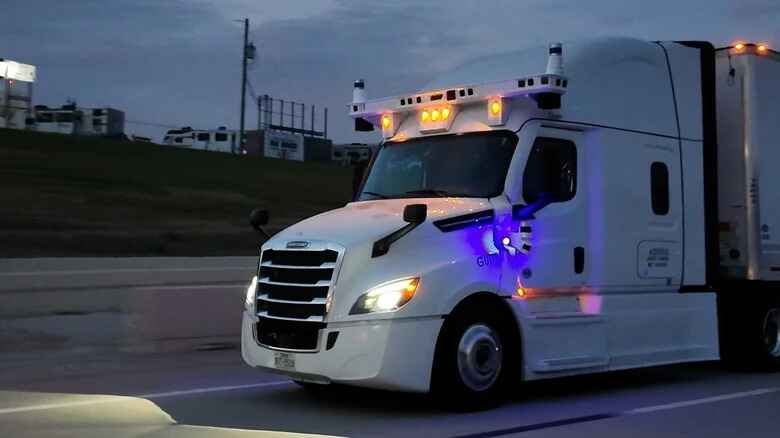
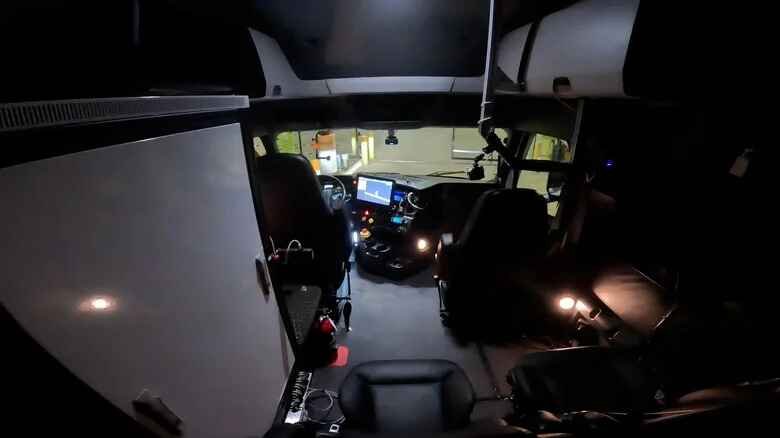
Houston just became the testing ground for something the trucking world has been waiting years to see — a completely driverless trucking run. Bot Auto’s self-driving truck took to the highway with no human backup driver and no remote operator keeping watch. This wasn’t a staged demo or a limited test. It was a full trip under real-world conditions, and the system was completely in control.
It might sound like just another tech headline, but this is a big deal. For years, self-driving truck companies have promised full autonomy but always kept a human behind the wheel, just in case. This time, that safety net was gone. Bot Auto says its system handled everything on its own — merging into traffic, timing lane changes, and managing the delivery schedule from start to finish.
For an industry built on precision and tight profit margins, this moment marks a huge step forward. The fact that the truck didn’t need a single handoff or human assist proves something major: the technology is finally ready to stand on its own.
Why This Moment Matters?
Trucking keeps North America’s economy running, but the system has been under heavy strain. The American Trucking Association estimates that the U.S. faces a shortage of tens of thousands of drivers, and the gap is only growing as older drivers retire faster than new ones can replace them. Longer routes go unfilled, deliveries slow down, and costs climb for everyone — from companies to consumers.
That’s where autonomous trucking could change everything. The Houston test doesn’t solve every problem right away, but it answers the biggest question: Can a truck drive safely without human supervision? Now that the answer is yes, attention turns to scaling up.
With AI taking over the long stretches of highway, the industry could see fewer fatigue-related accidents, steadier delivery schedules, and smarter fuel use through optimized routing. In other words, nearly every part of the supply chain could become more efficient.
Driverless trucks also open the door to new kinds of jobs. Instead of replacing human drivers completely, they could take on the tough, overnight highway legs that most people avoid. Human drivers could then focus on shorter, regional routes where local experience and personal service matter most. The Houston run shows that technology can handle the parts of trucking no one really wants — like a 600-mile drive through the night.
What Comes Next?
Of course, one successful trip doesn’t mean fleets of AI-powered trucks will hit the highways tomorrow. Regulators will want more data across different routes, weather, and traffic conditions. Logistics companies, too, will take time to trust the technology, especially when millions of dollars’ worth of goods are on the line.
Still, the Houston test marks a major turning point. Until now, self-driving trucking always seemed “a couple of years away.” This is the first clear proof that the technology can truly hold its own. If Bot Auto and its competitors can keep delivering similar results, the next phase could be limited freight runs along specific, well-mapped routes — likely in the South or Southwest, where weather and regulation are easier to manage.
Over time, that could grow into something much bigger. Insurance rules, highway design, and even how trucks are built could all shift as autonomous vehicles become part of the fleet. Houston might be where it started, but the ripple effects of this breakthrough could soon reach every corner of the freight industry.
Author Profile
Latest Entries
 Business4 months agoImmigrant Truck Drivers CDL Rule Could Cost Thousands Jobs
 Business4 months agoTruck Driver English Language Law Sparks Debate
 Logistics5 months agoTruck Driver English Language Violations Linked to Safety
 Logistics5 months agoCourt Reversal Opens Door to Truckers Demurrage Charges